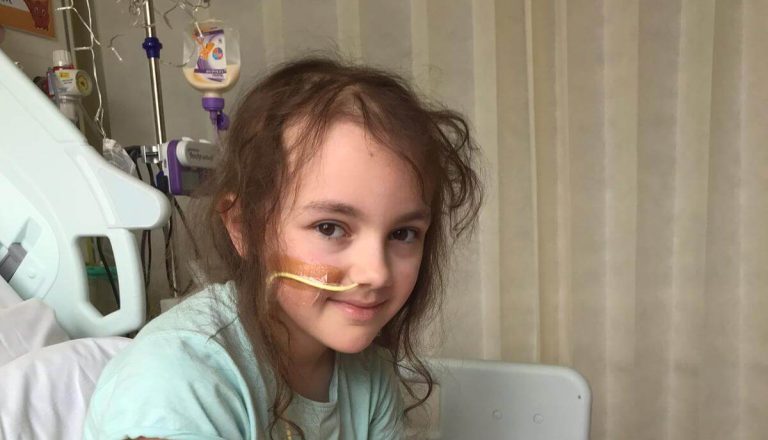
Most chemotherapy drugs act by targeting cells which divide rapidly, a characteristic of cancerous cells. There are, however, a variety of other, normal cells which also divide rapidly including the bone marrow, the hair follicles and the lining of the stomach and intestine. This gives rise to the most common side effects of chemotherapy:
- Hair loss
- Reduction in the number of blood cells produced by the bone marrow – which can lead to anaemia, infection and bleeding
- Nausea and vomiting
- Loss of appetite and weight.
Steroid medicines, often used as part of the treatment regime for childhood cancers, can also cause side effects including:
- Increased appetite
- Mood changes
- Weight gain
- Irritability.
Most side effects are temporary and can be kept to a minimum with good supportive care. Your child’s doctor or nurse will discuss possible side effects with you before treatment commences.